Mountains of moving boxes. An intimidating labyrinth of bags and bundles. Pieces of wrapped furniture in almost every corner. Whether you've relocated just across town or across the country, moving into a new home can be both exciting and tiring.
It’s exciting knowing that you’re starting a fresh life in your new abode. But that exhilarating feeling can quickly be replaced with dread once you realize that the moving truck has left the driveway, and you’ll need to face the daunting task of unpacking your belongings.
It might look easier to rush through unpacking just for the sake of getting it done. But with a little organization and planning, you can make the process more manageable. Read on to see some practical tips to make unpacking a breeze so you can settle into your new home quickly and with minimal stress.
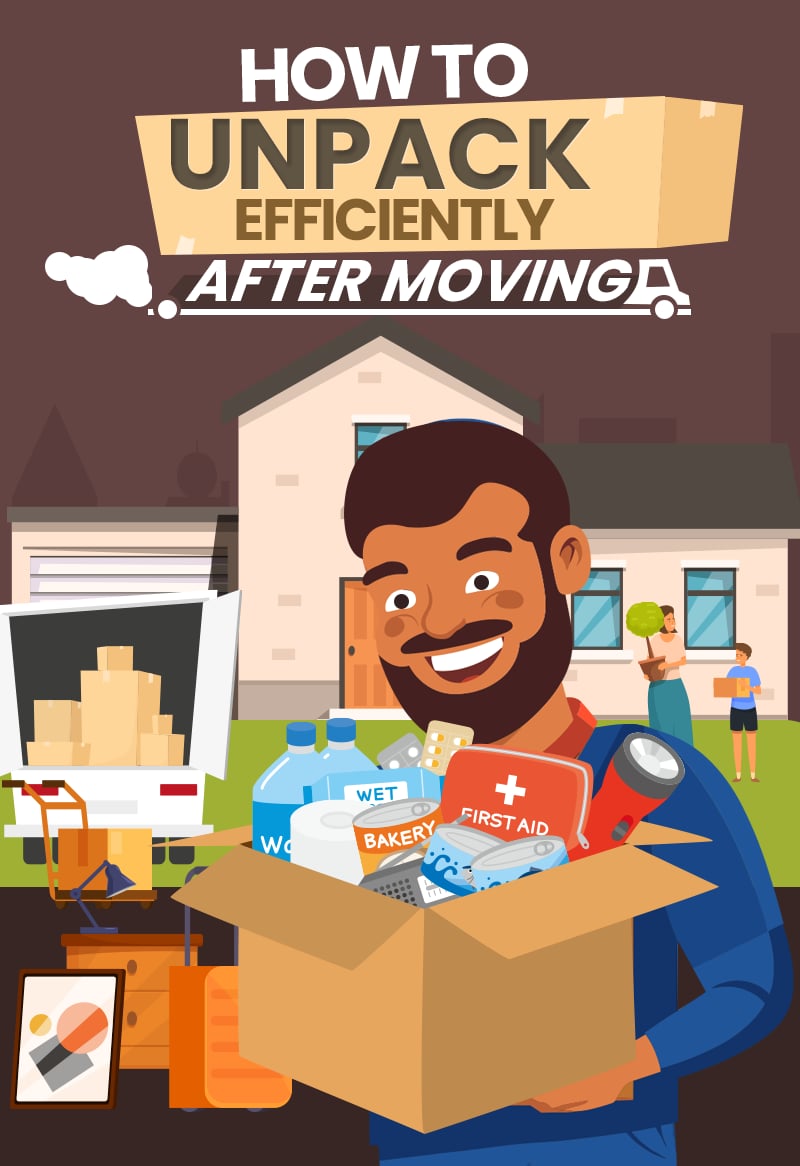
One of the smartest ways to streamline your first days in a new home is to start with an essentials box or “Day 1” bag. Hopefully, you packed this beforehand. Include basic necessities such as toiletries, medications, phone and computer chargers, important paperwork, simple bedding, towels, soap, toilet paper, trash bag, some snacks, and a few basic cookware or small kitchen items. Keep basic tools such as scissors, markers, and box cutters handy as well.
Making these essentials easily accessible ensures your first day or two are comfortable. You can then focus your energy on unpacking the rest of your belongings without having to search for necessities.
Once the essentials are taken care of, start unpacking by moving boxes into their designated rooms. Clearly labelled boxes will save time and effort. Whether using movers or friends and family, request that boxes are placed in the correct room when unloaded.
Handle bulky furniture pieces right away, as they are easier to move when rooms are still empty. Large pieces like beds, sofas, desks, and tables help define each room and give a sense of space. Assemble complex items only after all other furniture placement is confirmed.
Focus on one room at a time instead of multiple half-unpacked rooms. Experts suggest starting with high-use areas such as the kitchen, bathrooms, and bedrooms, followed by living/family rooms and other spaces.
Kitchen
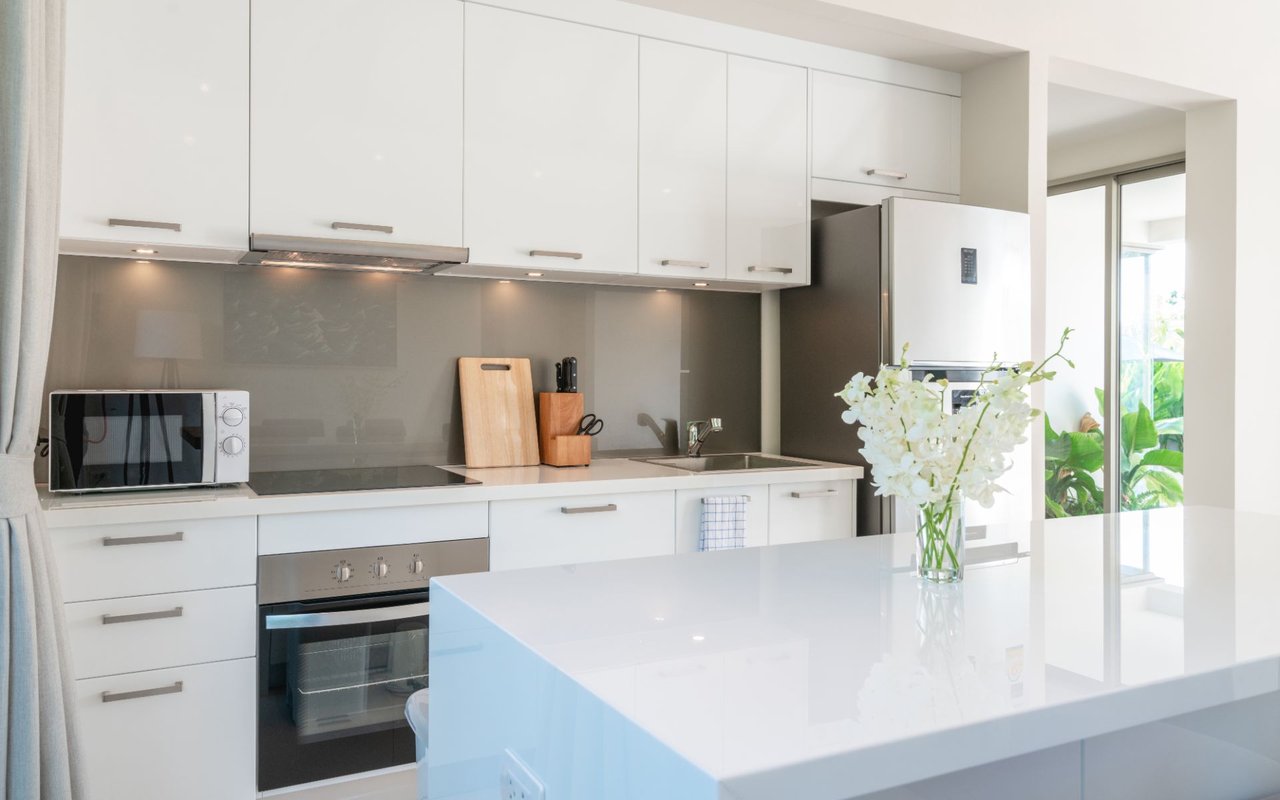
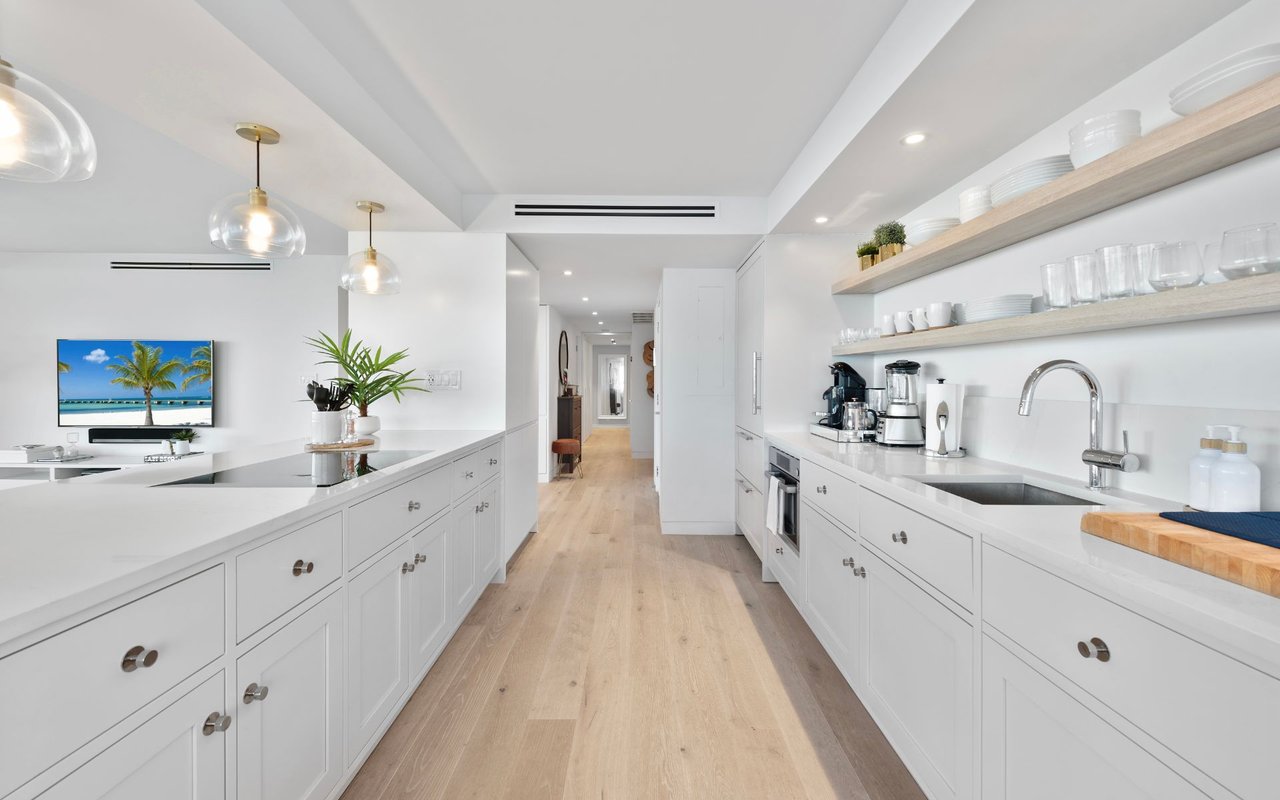
Set up basic kitchen necessities first to avoid takeout for the first few days. Unpack essentials such as glasses, dishware, utensils, a chef’s knife and cutting board, cookware, small appliances, potholders, dish soap, and towels.
Bathroom
Unpack towels, toiletries, body care products, medications, shower curtains, and bath mats. Ensure the bathroom is functional and convenient immediately.
Bedroom
Set up beds first, including frames or mattresses, followed by bedside essentials like lamps, tissues, books, and chargers. Prioritize only a few garments and shoes in closets and dressers to keep things manageable.
Move on to less critical rooms such as the garage, basement, patio, guest bedrooms, and other utility areas. Prioritize functional items for workspaces, patios, or seasonal spaces as needed.
Flatten boxes and stack them neatly. Decide whether to recycle, save, or give away packing materials. Collect bubble wrap, newspaper padding, and other packing supplies for temporary storage or disposal.
There is no need to rush. Tackle a few boxes or one room per day, take breaks, and enjoy arranging your new home. Hang family photos and artwork gradually to make the space feel more personal. Celebrate small victories and enjoy the process of settling in.