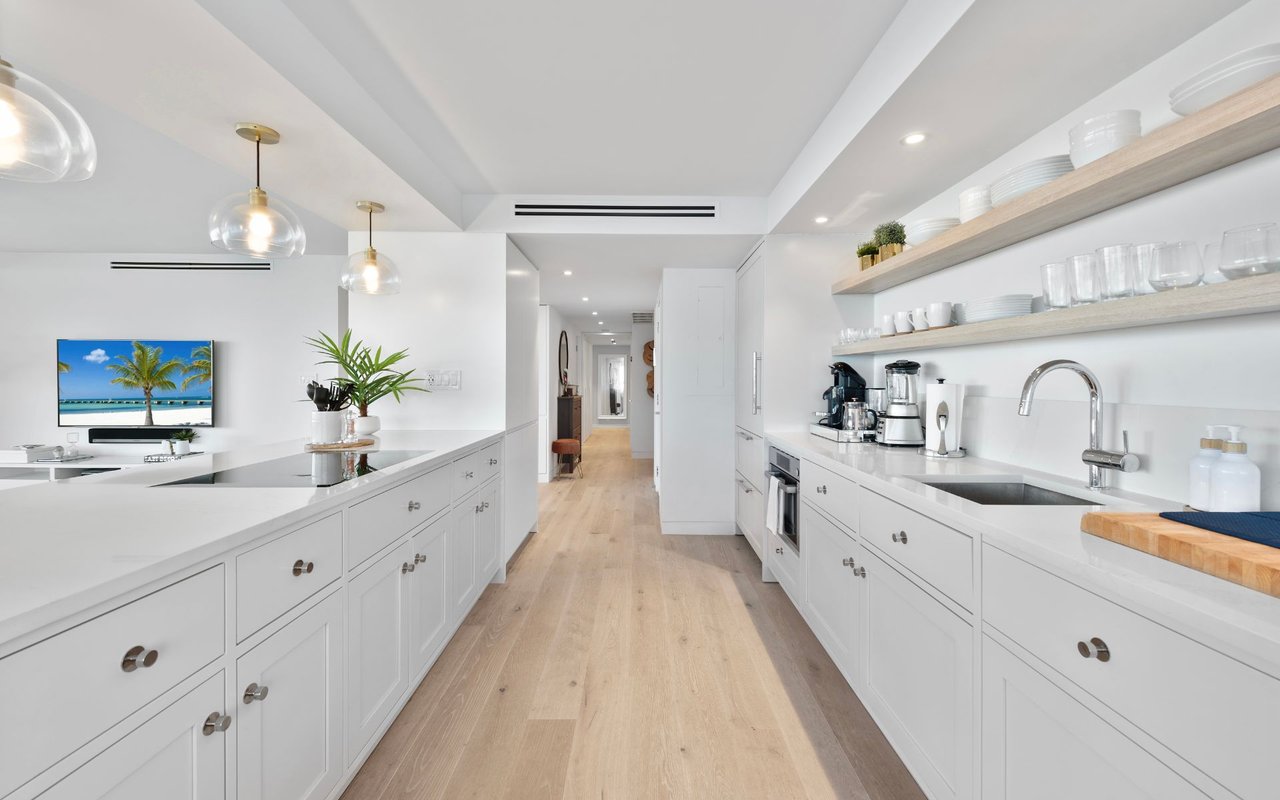
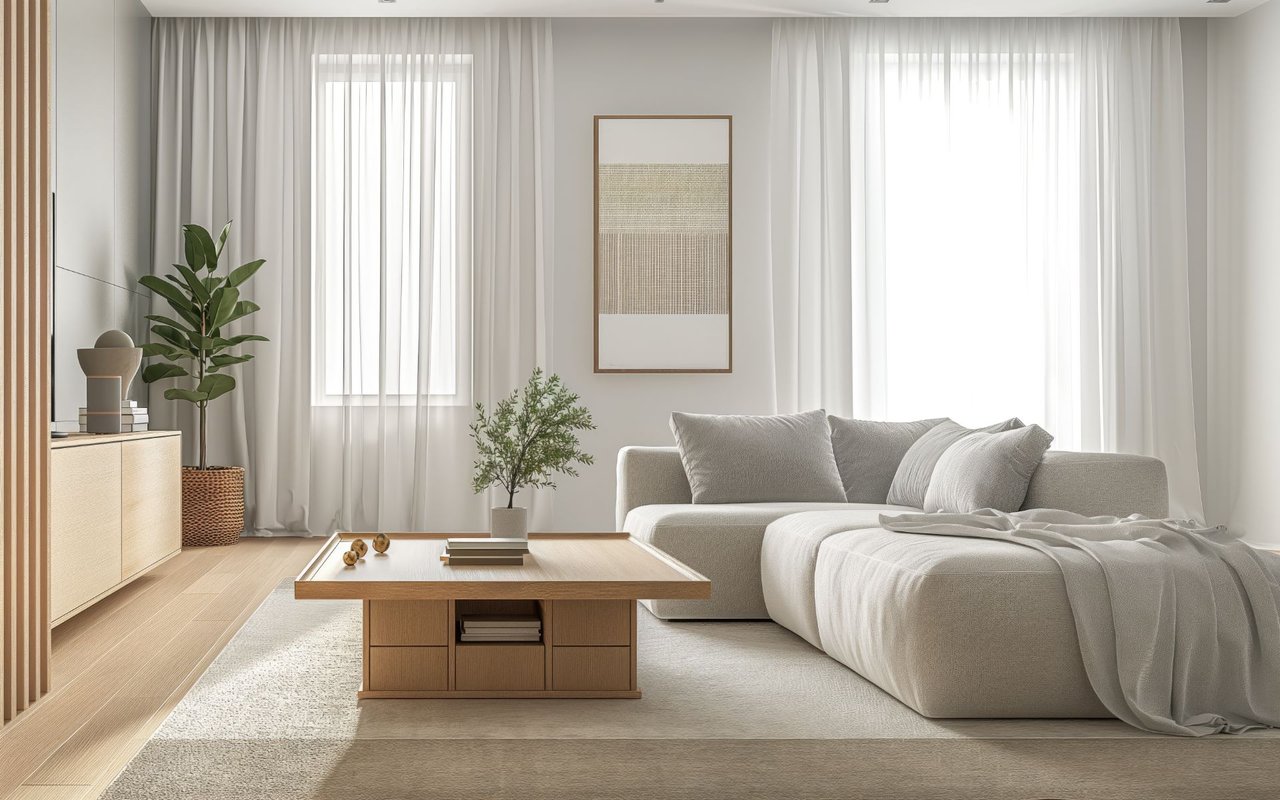
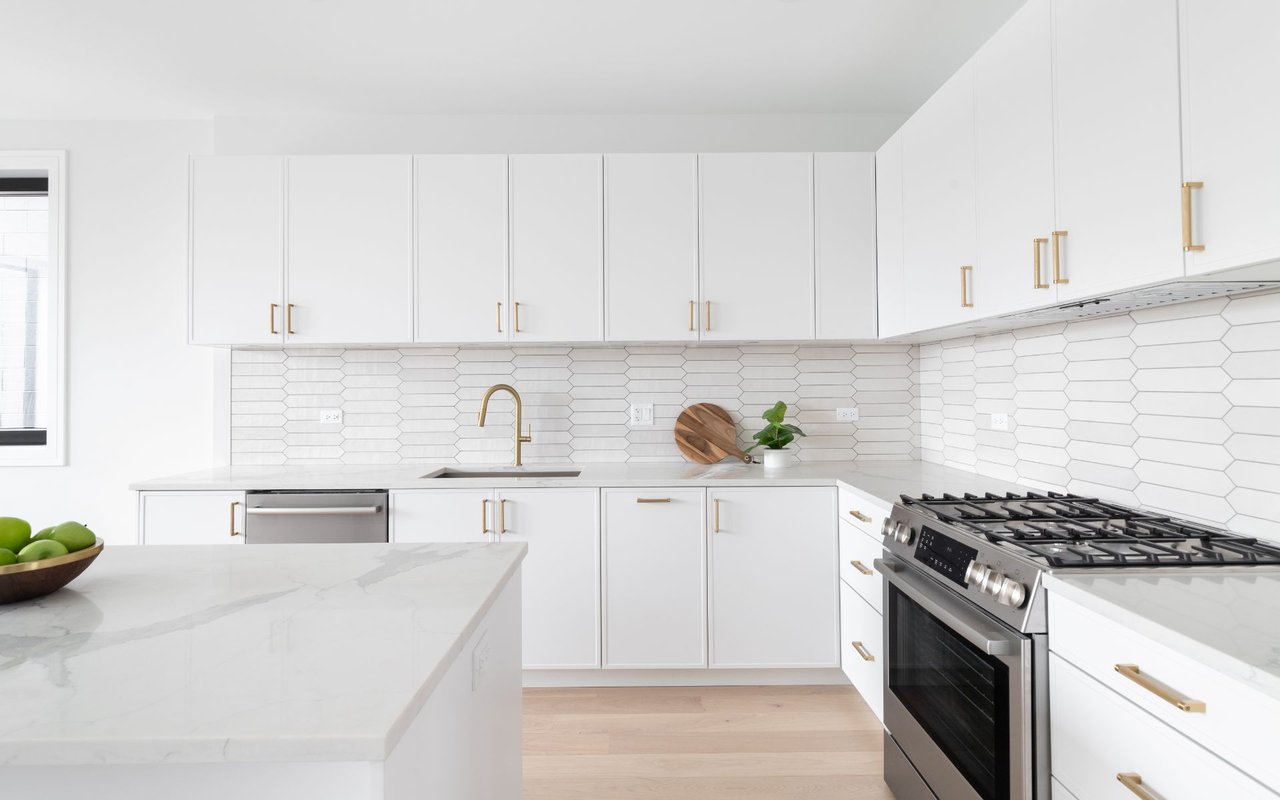
Photos, videos, and virtual tours—these are all great ways to showcase your house to buyers when selling. However, there's nothing like physically stepping into the home and seeing the condition of the space with your own eyes.
This is where showings come in. In this blog, we’ll explore the role of showings and delve into one of the most pressing questions you might have as a seller: how many showings does it take to sell? We’ll break down the average number of showings it takes before receiving a competitive offer, as well as the crucial factors that influence this figure.
The Role of Showings in the Home-Selling Process
House showings are scheduled appointments where serious buyers, typically with their real estate agent, come to view and tour the property in person. They are a crucial part of a real estate transaction because they allow buyers to see the home's features, storage, location, and condition beyond online photos and virtual tours. The number of showings your home receives is also a key indicator of its progress on the market.
During a home showing, the prospective buyer can envision themselves living in the home and assess whether the space meets their needs. You can think of it as an audition, where your property is the main attraction and each showing is a chance to make a good impression.
While receiving showing requests can be exciting for sellers, it can also be stressful. You have to keep your home in pristine condition, put away kids’ toys, clear any signs of pets, and just find somewhere to go during this time. This often leaves sellers wondering, “How long will this take?” and “How many times do I have to do this?”
How Long Do Showings Last?
Typical home showings last between 15 and 45 minutes. Buyers who are seriously interested in your home may spend up to an hour as they:
- Tour each room, including the attic or basement
- Peek into closets and other storage spaces
- Check to see if the light switches and other appliances work
- Measure rooms to see if their furniture would fit
- Start planning or envisioning how each room will be used
Although showings may feel invasive, it's important to remember that buying a home is a major investment. Some buyers may even stay longer, especially if they want to revisit key features that will lead to them making an offer.
While there's no universal answer, real estate professionals agree that it takes an average of 10 to 25 showings before a typical house attracts a serious buyer and receives an offer.
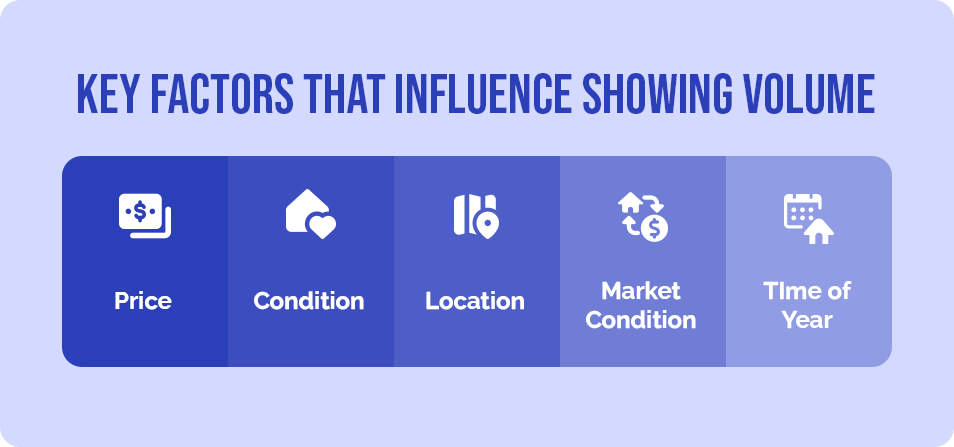
However, you could get just a handful of showings on your home and receive multiple offers. Or, your home could be on the market for weeks or months before it goes under contract. This is because showing volume can vary widely based on a number of factors: price, location, your home’s condition and how desirable it is, market conditions, as well as the time of the year.
Here’s a general breakdown of showing volume:
- 1-5 Showings: Typical in a hot market or for highly desirable homes
- 10-15 Showings: Common when pricing, condition, and marketing align
- 25+ Showings: May indicate the home is overpriced
It’s also common for serious buyers to schedule back-to-back showings, especially if they like your home best or if your home stands out among other potential listings.
1. Listing Price
Your pricing strategy is one of the most significant factors when it comes to showing activity. Homes priced competitively for your housing market will attract serious buyers, while overpriced homes may see minimal traffic. Adjusting your price based on market trends can help generate offers.
2. Location and Neighborhood
Homes in desirable neighborhoods with good schools, amenities, and easy commutes attract more showings. If your location is less desirable, highlighting your home’s strengths with your agent can improve interest.
3. Market Conditions
Seller’s markets generally generate more showings quickly, while buyer’s markets may result in fewer showings over a longer period. Understanding local trends and working with a knowledgeable agent is key.
4. Property Condition and Curb Appeal
Clean, decluttered homes with strong curb appeal attract more buyers. First impressions matter, so staging and maintaining the property for showings is essential.
5. Timing and Seasonality
Showings are typically higher during spring and summer, while fall and winter often yield fewer but more motivated buyers. Adjust expectations depending on the season.
Get Help From a Local Real Estate Agent
There will never be an exact number of showings needed to sell a home. Each factor plays a role. A local, knowledgeable agent can help set realistic expectations, improve your home’s presentation, and maximize buyer interest. Preparing your home properly can make every showing count toward a successful sale.