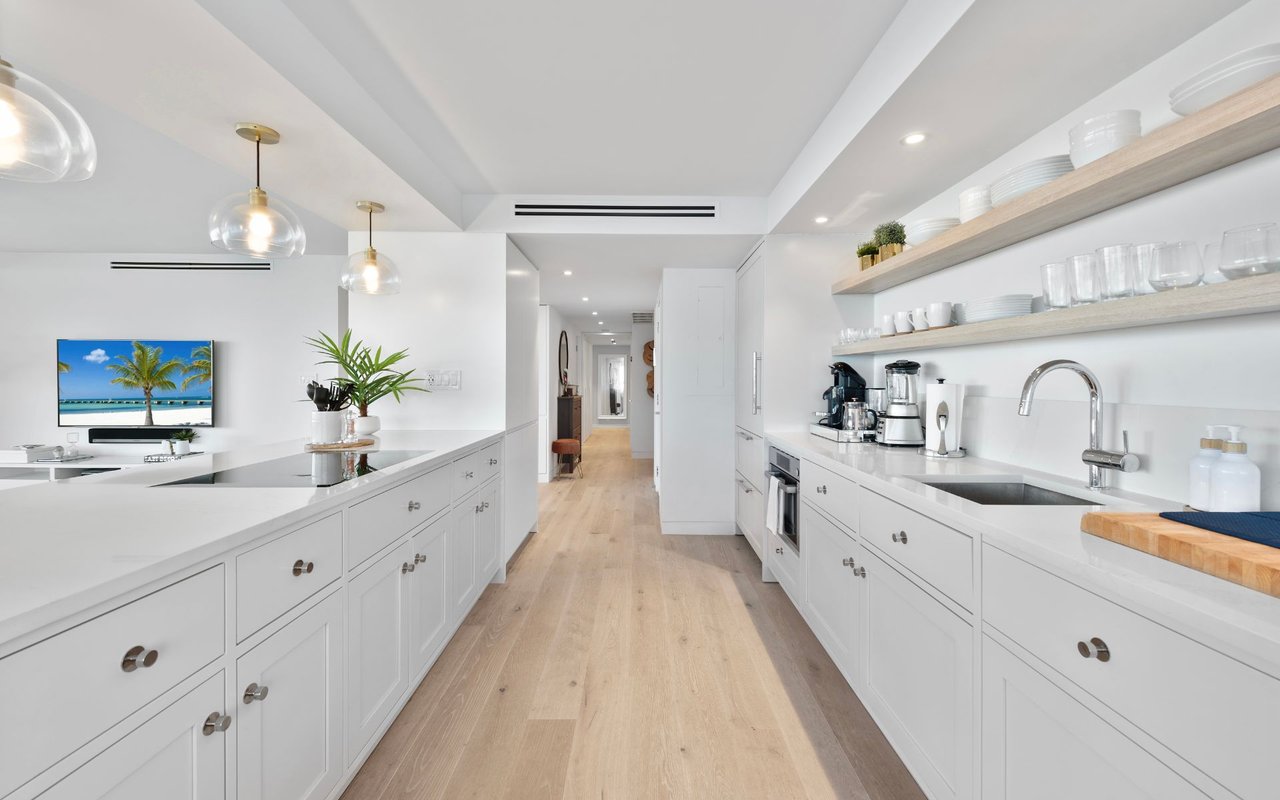
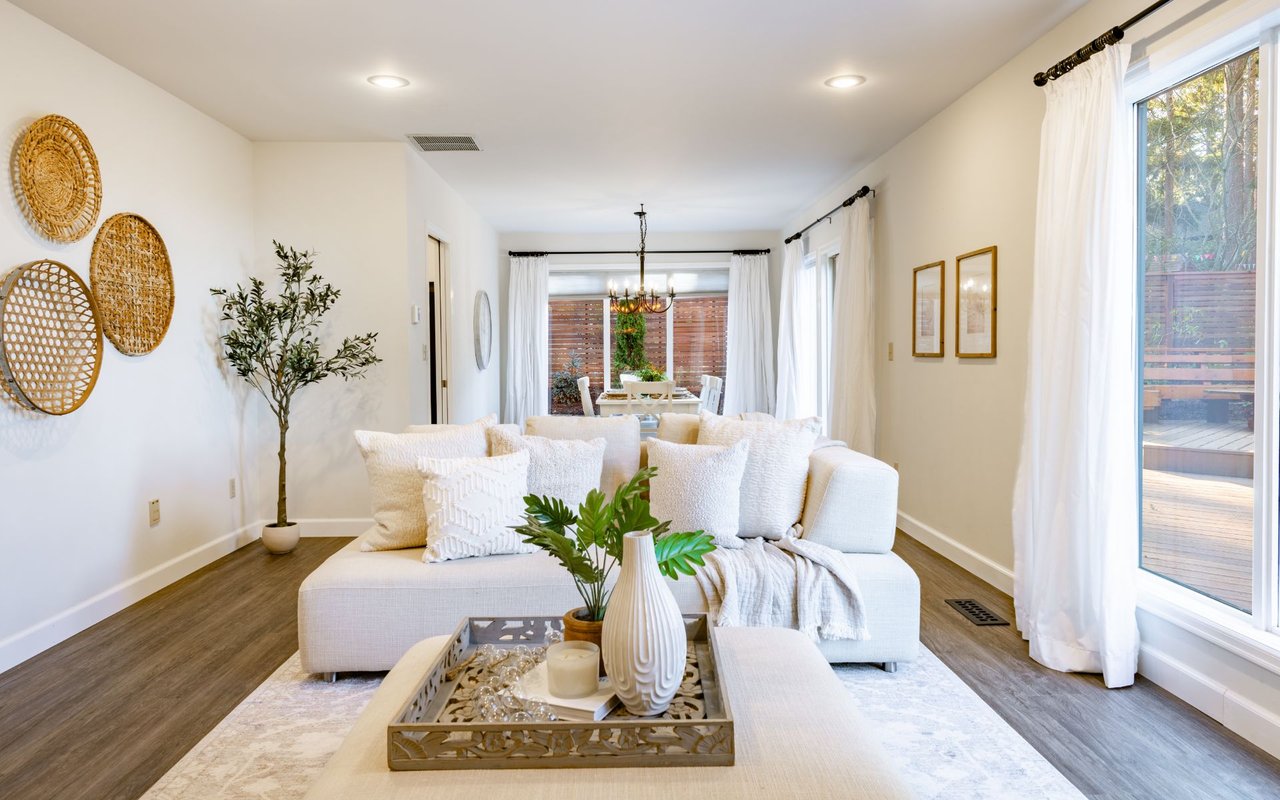
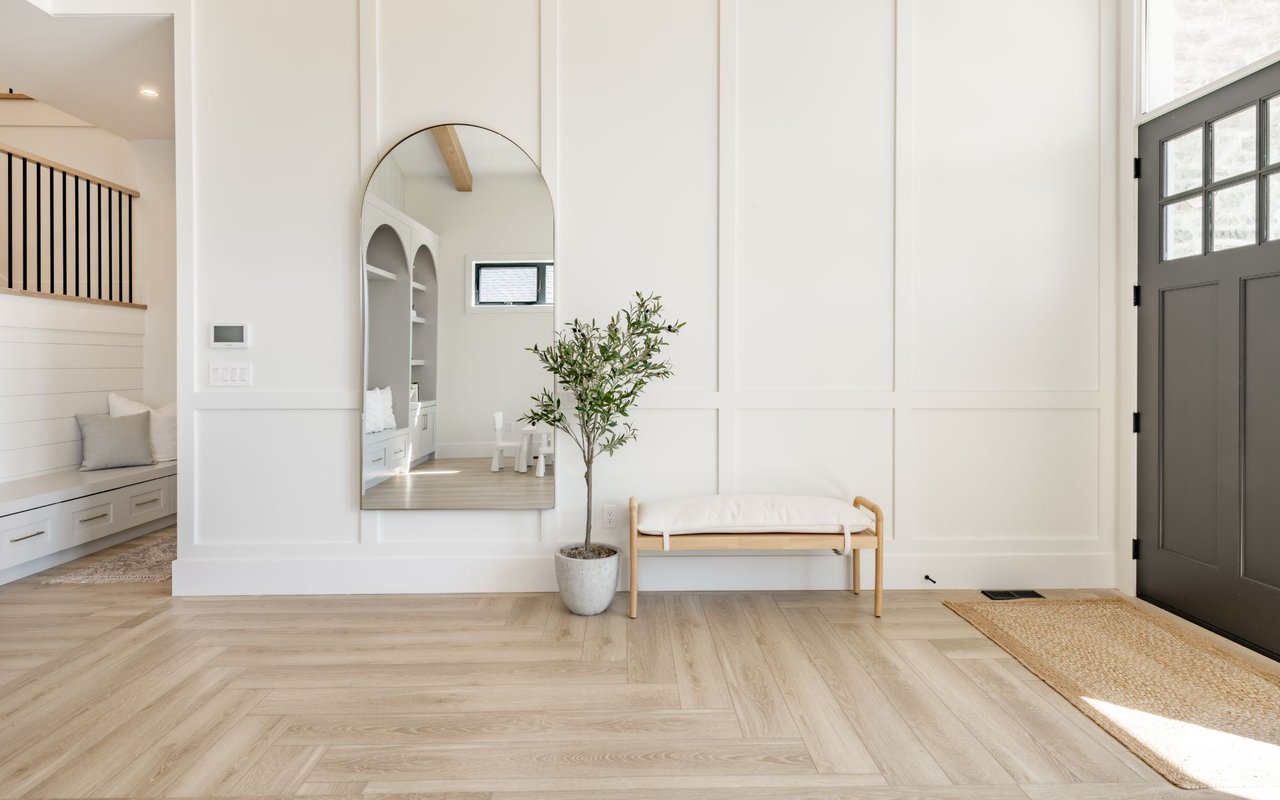
Whether you'll be working on small upgrades to simply refresh your space this summer, or diving into a major remodel before listing your home for sale, remember that preparation is key. It’s important to take a step back and plan before kicking off your long-planned renovation.
From properly storing your valuables to securing your home against theft, take note of these simple yet effective tips to protect your space, your sanity, and your biggest investment to avoid costly repairs later on.
1. Identify Areas That Will Be Affected
Before diving into any remodeling project, whether you're hiring a contractor or going DIY, it’s important to understand its full scope. Begin by deciding whether you are staying at home or moving out, especially for large-scale renovations.
Identify areas of your home that will be exposed to risks and block these off with signs, barriers, and tape. Let your household know about any potential risks, and make sure to keep children and pets away from work areas.
Consider the potential hazards, including dust, debris, or heavy equipment, and how these could impact your home and belongings. Before the crew starts working, relocate essential furniture and items to a different room for convenient access.
2. Properly Store Fragile Items
Relocate items that may be in the way and properly store fragile items to prevent damage during remodeling. Wrap delicate items such as glassware, ceramics, electronics, art, and other keepsakes carefully and pack them in sturdy boxes.
Clearly label each box with its contents and add a “fragile” note to ensure careful handling. Find a safe room for storage or consider renting a self-storage unit as a temporary solution.
3. Keep an Inventory of Your Belongings
Keeping a detailed inventory is essential for insurance purposes and tracking potential damage. Document all items in the remodeling area, noting their condition and location. Take photos as a visual record and update the inventory as items are moved or stored.
4. Invest in or Tighten Up Your Home Security System
Your home is more vulnerable to theft and trespassing while the renovation is ongoing. Tighten up your security or invest in a home security system for peace of mind, especially when you're not around.
Install CCTV cameras, motion light sensors, and alarms for better monitoring. Secure rooms with valuable items and ensure only trusted people have access. Also, properly store tools and materials until needed.
5. Take Precautions Against Fire Hazards
Test fire alarms and carbon monoxide detectors before starting renovations. Keep fire extinguishers near areas where electrical or flammable materials will be used.
6. Use Protective Covers on Parts of the House Prone to Damage
Use protective covers to shield floors, countertops, corners, door frames, appliances, and other high-traffic areas. Cardboard, hardboard, plastic floor protectors, or canvas drop cloths are ideal options.
Cover furniture and appliances with plastic sheets or tarps and secure them with painter’s tape. Protect door frames and edges from bumps using cardboard and tape.
7. Minimize Dust
Seal off work areas with plastic sheeting to prevent dust from spreading. Cover doorways, vents, and windows. Use HEPA filter air purifiers and vacuum with HEPA-filter vacuums regularly. Sweep and dust frequently to minimize buildup.
8. Communicate Openly and Regularly with Contractors
Set clear work hours and expectations for contractors. Use smart locks with temporary codes instead of handing out keys. Provide specific instructions for handling or accessing valuable items to avoid misunderstandings.
9. Have a Plan for Post-Renovation Cleanup
Wipe down surfaces with a damp cloth and vacuum with a HEPA filter at the end of each day. Mist plastic sheeting with water before removal to prevent airborne dust.
After completion, remove any remaining debris and construction materials carefully. Check for damage or residue on belongings. Consider hiring post-renovation cleaning services to restore your home for use and enjoyment.