A house is only as stable as its base. It can have luxurious finishes and modern appliances, but without a strong foundation, it can pose safety concerns that can potentially put you and your family at risk.
Foundation problems are dangerous since they can lead to significant issues throughout the rest of the home, including structural damage, mold, water damage, and even pest problems.
For homeowners, it's crucial to know that foundation problems can come with all sorts of warning signs. The earlier you address these issues and have them fixed, the more likely you are to reduce repair costs and avoid serious damage to the rest of your house.
For buyers searching for their dream home, know that issues with the foundation can only be revealed after a home inspection. Many homeowners are often unaware of foundation problems, or else they should’ve disclosed that information to you when you first viewed the home. It’s important to know whether these foundation issues are minor speed bumps or major dealbreakers on your road to homeownership.
Common Warning Signs of Foundation Problems
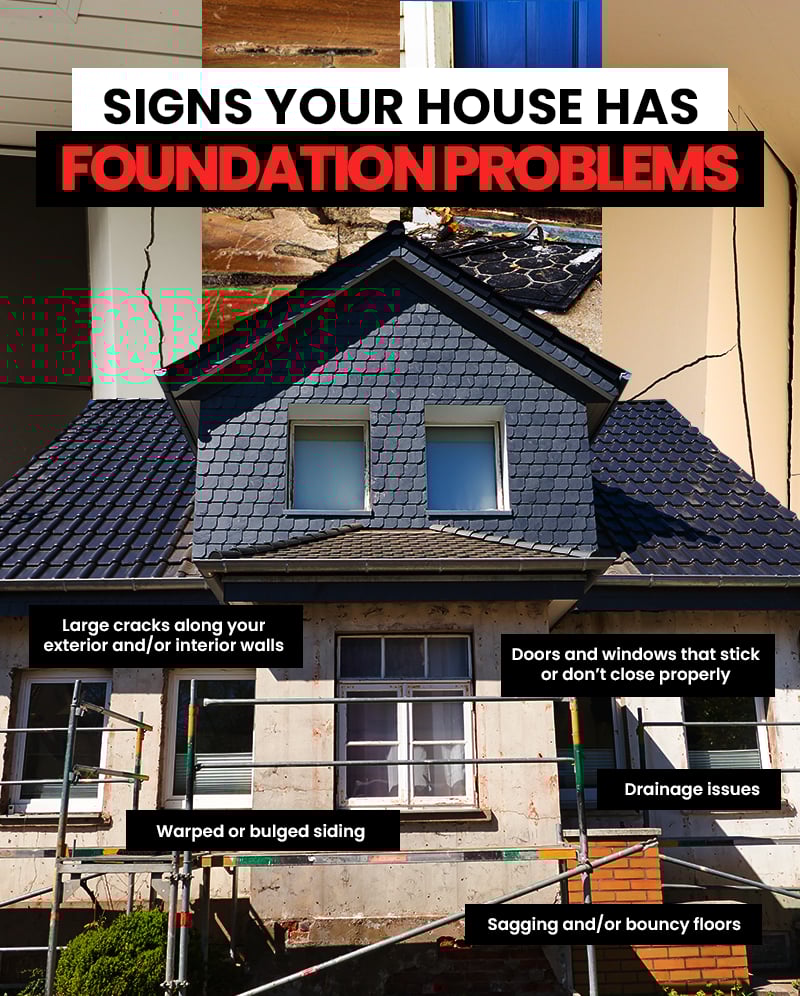
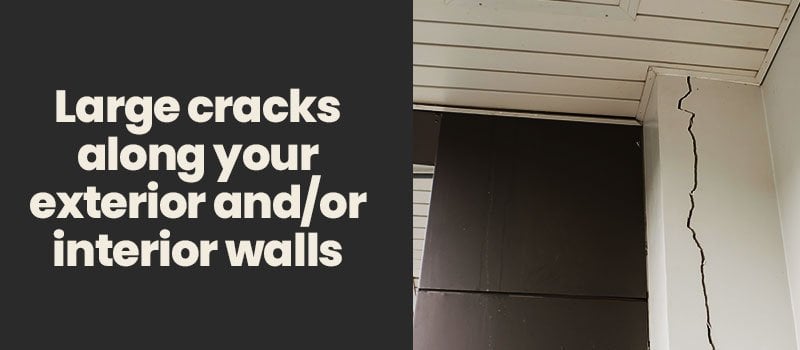
Small hairline cracks on the foundation and along interior walls are relatively common and are nothing to worry about. They're often just indicators that the property has undergone a period of normal, minor settling. However, if you notice any horizontal cracks, or those that are wider than a quarter of an inch and continue to widen or lengthen over time, this often indicates a more serious issue with the foundation. Worsening cracks can lead to severe structural damage, especially since water or insects can work their way inside the home.
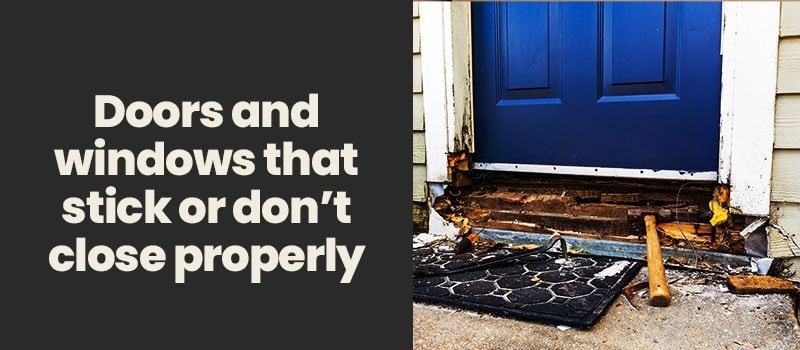
Moisture and excess humidity, especially during summer, often cause wood to swell. This results in doors and windows that stick when you try to open or close them, or they may not close or latch properly. But if you notice there haven't been any drastic changes in heat or humidity lately and your doors and windows continue to stick year-round, then a foundation problem is more likely the cause. When the foundation settles, shifts, or sinks, it creates an imbalance in the home's structure. This imbalance causes the framing around the doors and windows to shift or bulge slightly. You may also notice the window frames starting to pull away from the surrounding brick.
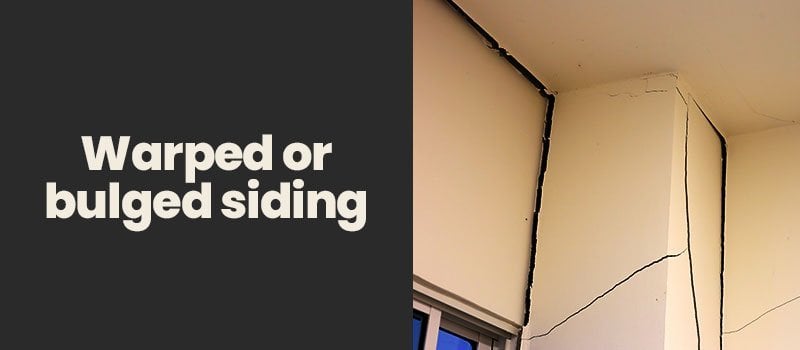
Aside from cracks, if you see warped, buckled, or bulged spots in the home's siding, it’s a common indicator that there’s something wrong with the home’s foundation. Any visible gaps between the siding planks or bricks are also a strong sign of a foundation issue.
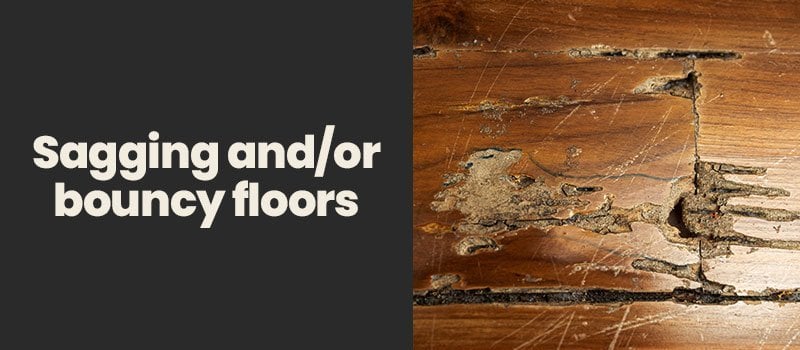
Sagging or uneven floors are not only unsightly but can also pose safety concerns. This happens when the home's foundation shifts or settles, causing the support beams to separate and the walls to become compressed. Likewise, bouncy or spongy floors, particularly if accompanied by popping or creaking, are common indicators of foundation settlement or moisture-related issues in the crawl space.
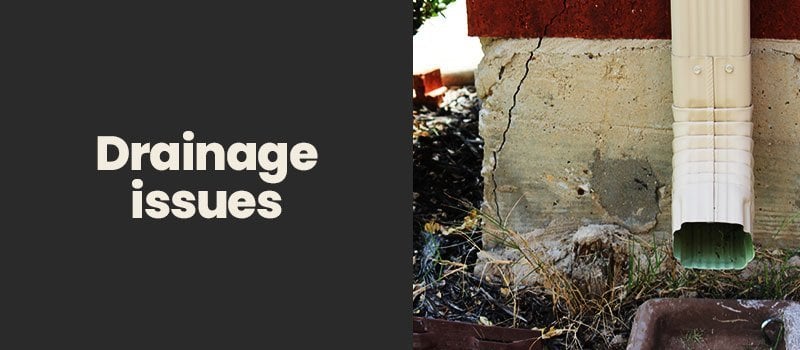
Water can cause serious problems with your home's foundation, so assessing your property for drainage issues is a great way to identify problems early. After it rains, walk the perimeter of your house to see how the ground drains water. If you notice pooling, you likely have problems with drainage, which can cause major issues for your home’s foundation.
The Bottom Line for Homeowners
Foundation issues, no matter how minor, are serious and should never be ignored. Even if you consider yourself a skilled DIYer, there’s little you can do beyond documenting the affected areas and contacting a foundation repair specialist.
These professionals will assess the damage and determine whether the foundation is at risk of collapse or if repairs can be safely made.
For Buyers: Should You Buy a Home With Foundation Issues?
Once a home inspection reveals foundation problems, it will likely delay closing. Lenders are generally cautious about homes with foundation issues, which may put your mortgage approval at risk.
Your first call should be to your trusted real estate agent to discuss how to proceed. In some cases, you may be able to negotiate repairs with the seller. However, if the damage is extensive or the seller refuses to cover the costs, walking away and restarting your home search may be the smartest decision.