Buying a home is no easy feat. You usually have to put money down equal to a percentage of the final purchase price, or your down payment. Having this upfront cash on hand may not be easy for everyone. In fact, it's one of the major hurdles when buying a home. This is why down payment assistance programs are available to qualifying home buyers.
Here's a quick guide that will explain what a down payment assistance program is, how it works, and what are the different options that exist to help you reach your goal of owning a home.
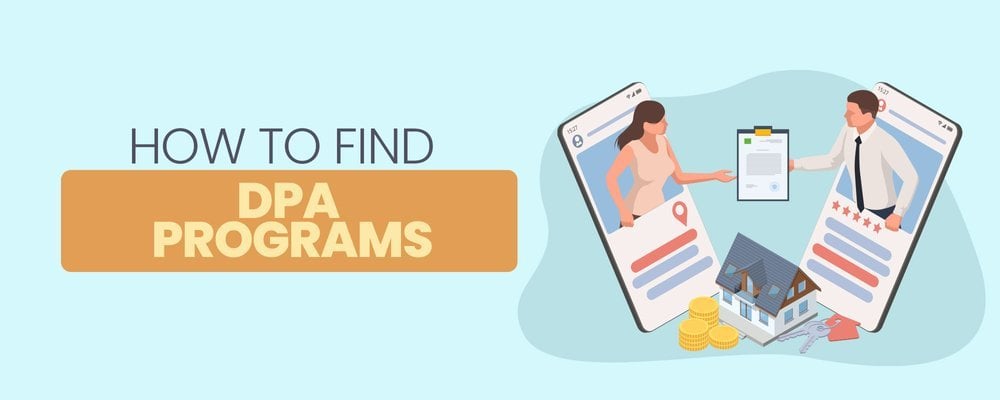
Down payment assistance (DPA) is any type of program designed to help home buyers afford a down payment. Some programs also help lower or cover your closing costs. There are thousands of DPA programs available across the country, and the majority of them are offered at state, county, and city levels, and even through some banks and lenders. Down payment assistance is typically geared toward first-time home buyers, but there can also be assistance available for repeat home buyers.
These programs typically have eligibility requirements and borrowers usually have to take out a mortgage with a participating lender to take advantage of their assistance program. The funds often come from the U.S. Department of Housing and Urban Development, or HUD, as well as employers, community organizations, and state and local governments.
Any type of down payment assistance is likely to have certain qualifications. The majority of these programs are geared toward first-time home buyers. A first-time homebuyer is someone who hasn't ever owned a home or hasn’t owned a home in the past three years.
Beyond that, other typical requirements include a minimum credit score of 620, a low-to-moderate household income, and a debt-to-income ratio. Do take note that these requirements vary from program to program. Likewise, many DPA programs also require the following:
- You must live in a certain city or county
- You must purchase a primary residence, not an investment or rental property
- You must attend a first-time home buyer class or financial literacy classes
- Purchase a single-family home, condo, or a townhouse
- You must be in a public service profession, such as a teacher, firefighter, police officer, emergency responder, active-duty service member, or other public servant
- Qualify for a 30-year, fixed-rate first mortgage to buy the home
Types of Down Payment Assistance
Down payment assistance comes in three main types: loans, grants, and credits, each with its pros and cons. Here are some of the most common:
Grants
Home buyer grants are the most popular and most valuable form of down payment assistance. This is because it provides homeowners the money that they never have to repay since it's considered a gift. If you qualify, you can use the cash sum to cover all or part of the down payment or closing costs.
However, most grant programs are often more difficult to qualify for due to challenging requirements, such as that you need to live in the home as your primary residence for a certain number of years after your purchase. Some programs labeled as grants may create a second lien on your home. Make sure your lender is aware of the grant.
Forgivable Loans
A forgivable loan is technically a second mortgage large enough to cover the down payment, but it acts as a grant since you don’t have to repay the loan if you meet certain requirements. For example, a program might forgive the loan if you live in the home and pay the primary mortgage for a set amount of time, typically anywhere from three to ten years.
However, if you move, refinance your mortgage, or sell your home before the loan is forgiven, you’ll need to pay it back. Forgivable loans have an interest rate of 0%.
Deferred Payment Loans
A deferred payment loan most often takes the form of a no-interest second mortgage that typically covers the cost of the down payment. Unlike forgivable loans, you will have to pay back the loan at some point, usually when you sell the home, refinance your mortgage, or pay off your first mortgage.
Low-Interest Loans
This type of down payment assistance also functions as a second mortgage but with a lower or more affordable interest rate than your first loan. Along with making monthly payments for your primary mortgage, you’ll likely need to repay this loan in installments over a few years.
Individual Development Accounts or Matched Savings Programs
Also called a matched savings program, an Individual Development Account (IDA) is a special savings account that home buyers deposit money into, which is matched by a bank, government agency, or community organization. For example, if you put $5,000 into the account, the agency would match that amount, making it $10,000. The total funds can be used for down payment or qualifying costs.
These programs often have strict requirements to qualify, such as income restrictions, employment requirements, and completion of financial literacy training.
How to Find Down Payment Assistance
You can check the HUD website for local home-buying programs at the state level. You can also check for HUD-approved housing counselors in your area.
Contact your state’s HFA or visit its website to learn about your own DPA options, as every state runs an HFA that helps homeowners and renters.
Check your city or county website to see if they offer any grants or loan programs. States and some larger cities have housing finance agencies for state-supported programs.
Municipalities often have housing support programs in one form or another. Nonprofits focused on housing also offer grants and assistance.
Look for down payment assistance programs for specific groups, such as teachers, public service professionals, or active-duty military.
Your real estate agent and mortgage lender can also be great resources when looking for an assistance program. Just don’t forget to find out if your lender works with the specific program.
Private company Down Payment Resource also provides resources for homebuyers, real estate agents, and lenders, including an eligibility and assistance lookup tool.
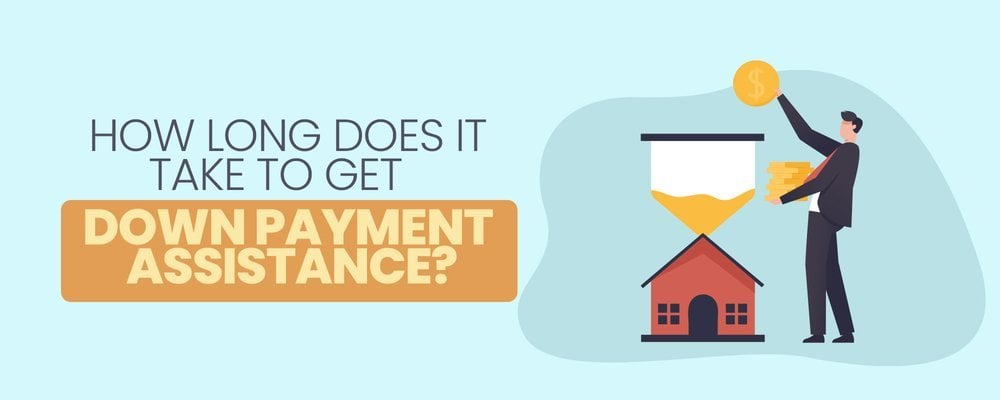
Understand that down payment assistance varies from state to local levels, so the time it takes to get one mainly depends on the program and type of assistance.
If you're considering applying for a down payment assistance program, start looking before your home search so you give yourself plenty of time. First-time homebuyer or financial literacy courses can be completed within the required timeframe.