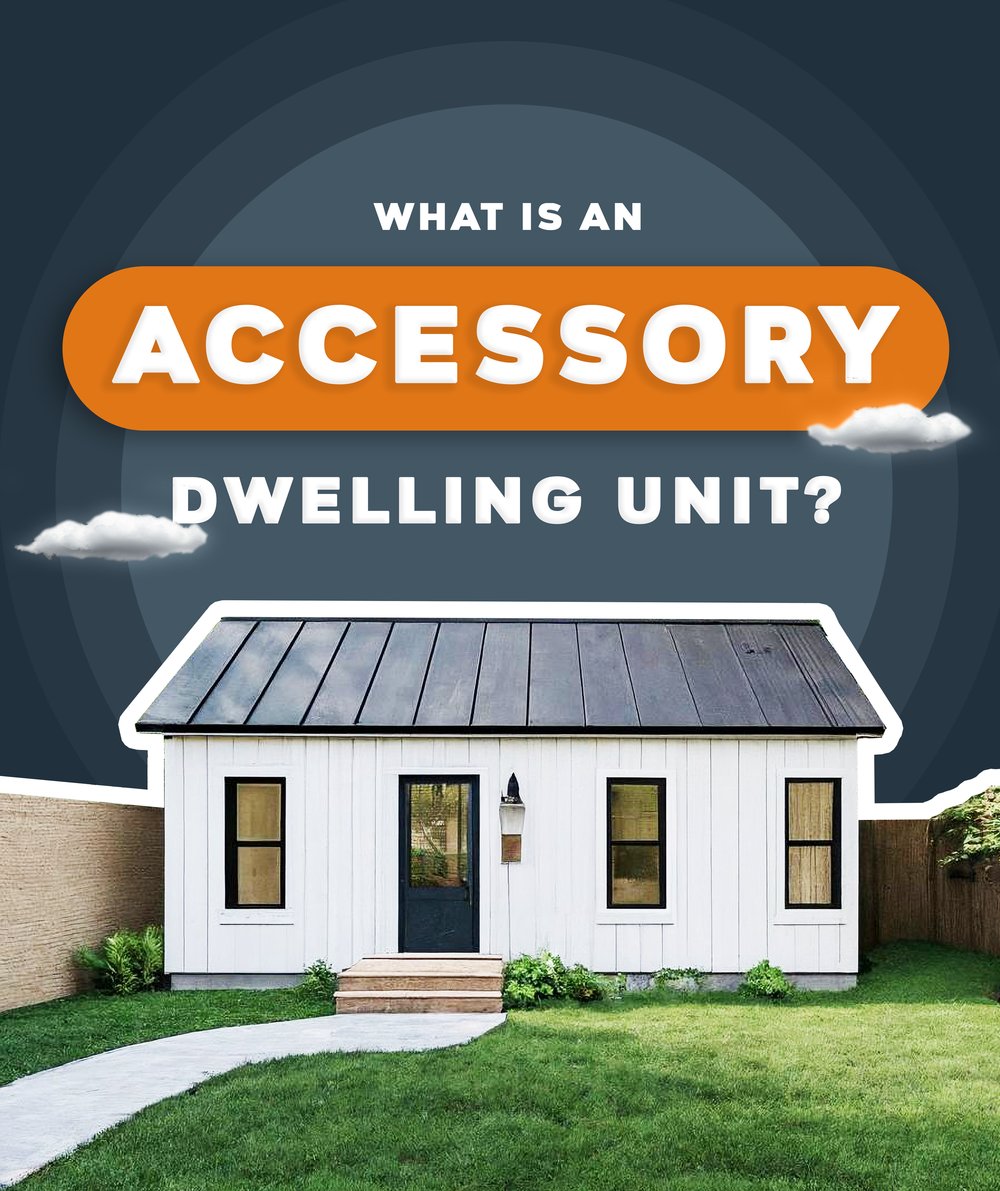
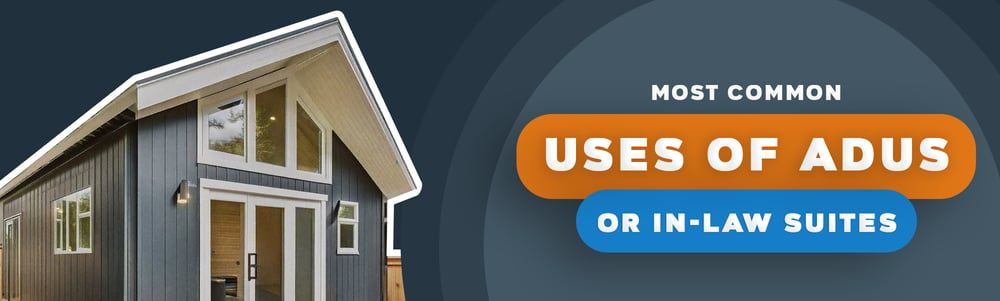
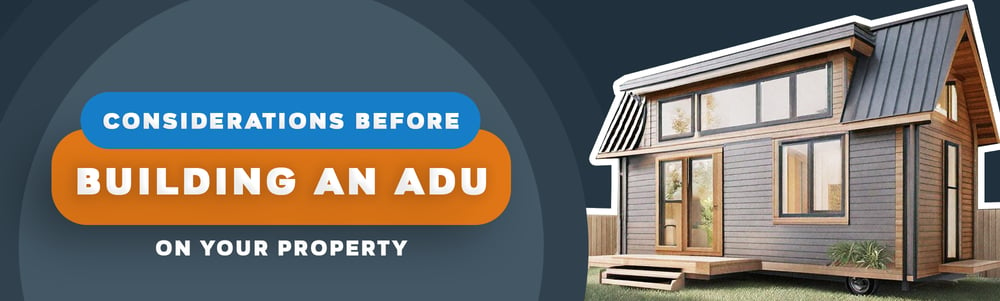
They go by different names depending on the region: accessory apartment, in-law suite or in-law apartment, granny flat, second unit or secondary suite, and are also known as ohana units in Hawaii and casitas in the Southwest.
Regardless of what they're called, an accessory dwelling unit, also known as an ADU, is an additional living quarters on single-family lots that is independent of the primary dwelling unit, according to the U.S. Department of Housing and Urban Development. The separate living spaces are equipped with kitchen and bathroom facilities, and can be either attached or detached from the main residence.
ADUs have been steadily gaining popularity due to their flexibility. They were originally designed to provide convenient and private housing for aging family members. Today, they are also used to provide housing for younger family members as they save for their own place or to help homeowners generate passive rental income.
Read on to know more about accessory dwelling units, see their variety of uses, and key considerations if you’re looking to add one to your property.
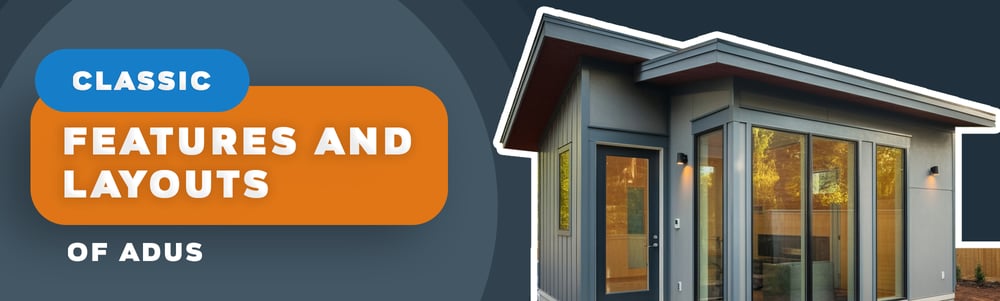
A classic ADU is a self-contained space that offers both proximity and privacy, including:
- A separate entrance
- A bedroom or sleeping area
- A full bathroom
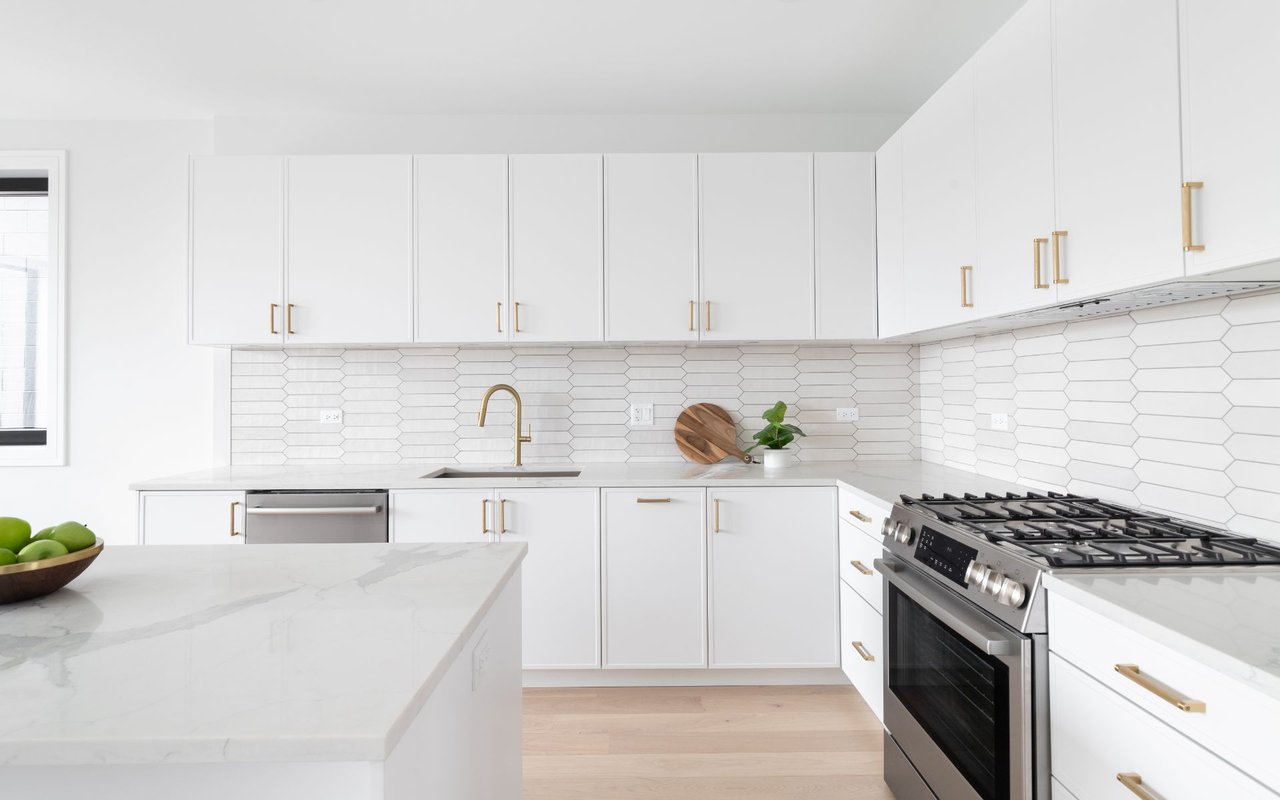
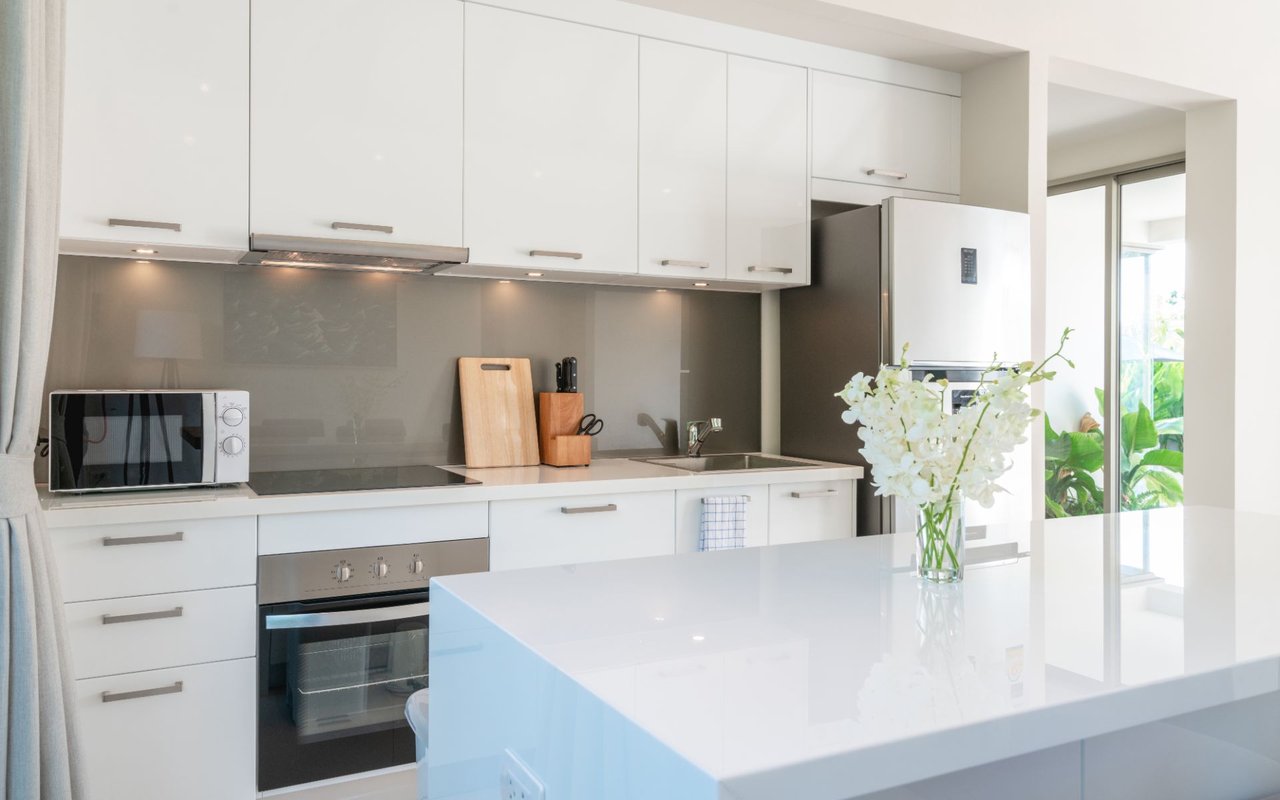
Other ADUs may include a kitchenette or full kitchen, and a living room.
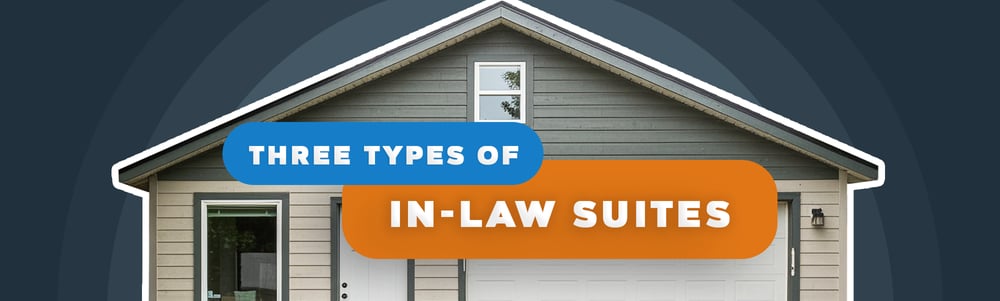
Attached
An ADU that is connected to the main house but designed to be independent, usually with a separate entrance. Attached ADUs typically require less space and are less expensive to build.
Detached
A smaller, standalone structure on the same property offering more privacy, making it desirable for rental purposes.
Interior or Converted Space
A unit located inside the main house, such as a converted basement or attic, potentially with a separate entrance.
An ADU is a versatile feature that can serve many purposes. Here are some uses to consider:
- Home Office: Ideal for remote work or a dedicated small business space.
- Guest Quarters: Provides privacy for visiting family or friends.
- Residence for Adult Children or Aging Parents: Supports multigenerational living while maintaining independence and privacy.
- Rental Unit: Fully equipped apartments suitable for long-term or short-term rentals like Airbnb or VRBO to offset costs.
1. Local Building Codes and Zoning Laws
Research local zoning laws, including lot size, ADU regulations, and parking requirements. Homeowners' associations may have additional stipulations. Rental use may require extra permits or inspections.
2. Purpose
Determine who will use the unit and for what purpose. Aging parents may need accessibility features, while a home office may require specific layouts.
3. Utilities and Infrastructure
Ensure existing gas, water, and electric lines can handle the additional living space.
4. Budget and Financing
ADUs are smaller than full homes but still require financial planning. Consider home equity loans, construction financing, or cash-out financing.
The Bottom Line
With its flexibility and multiple benefits, in-law suites or ADUs can meet the needs of anyone seeking additional living space for family, guests, or rental purposes.